
Participants
„Culture House”
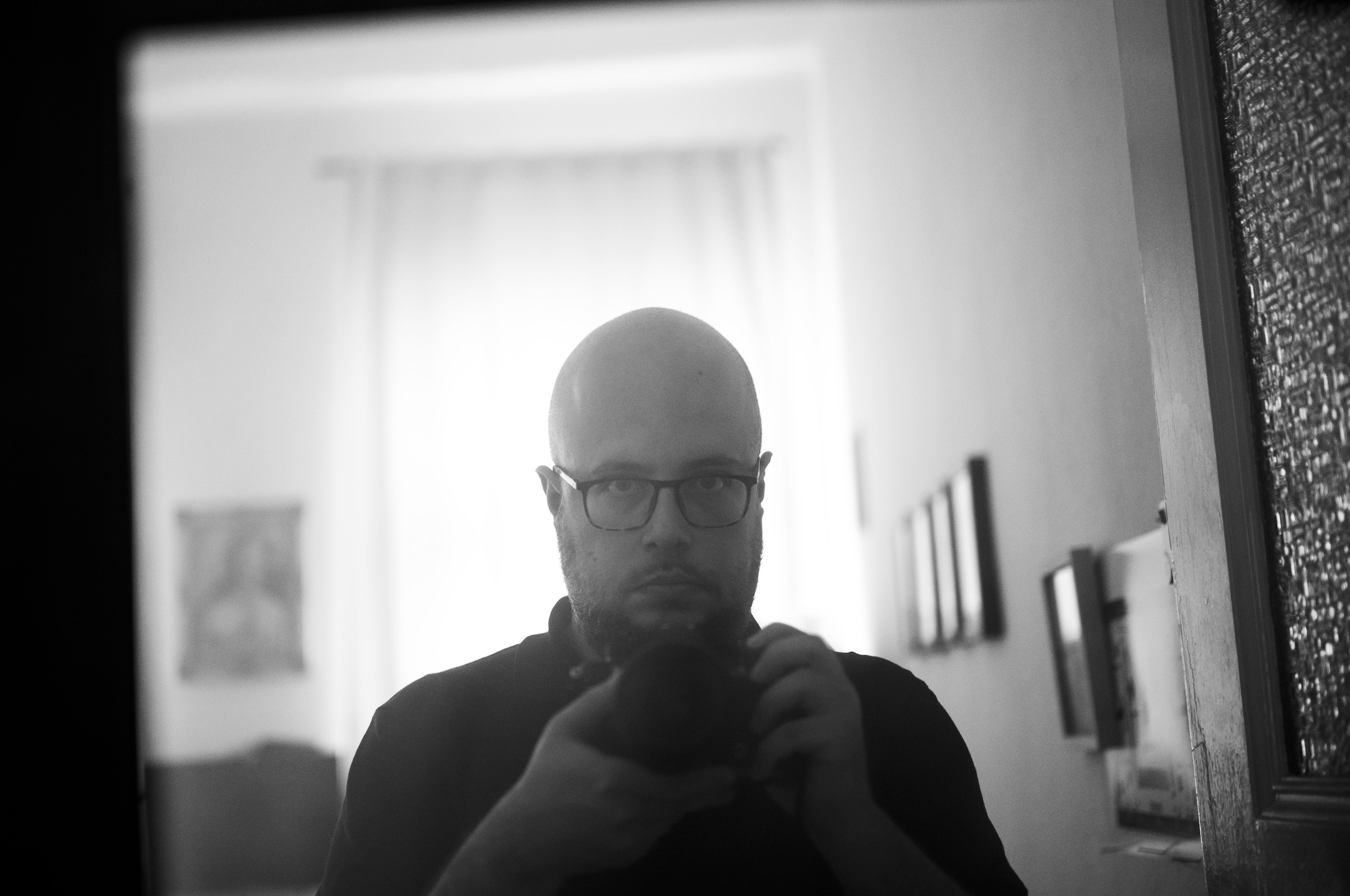
Basile Alexiou
(b. 1984 in Luxembourg, Luxembourg) graduated from ‘Ostkreuz School of Photography in 2016 with the work ‘Mir welle bleiwe wat mir sin’ where he portrayed in a participatory way homelessness in Luxembourg, for which he was awarded a Grand by the Centre national de l’audiovisuel, CNA. His work is defined by sincere sensitivity for the human existence and experience having been shown in Germany and Luxembourg.
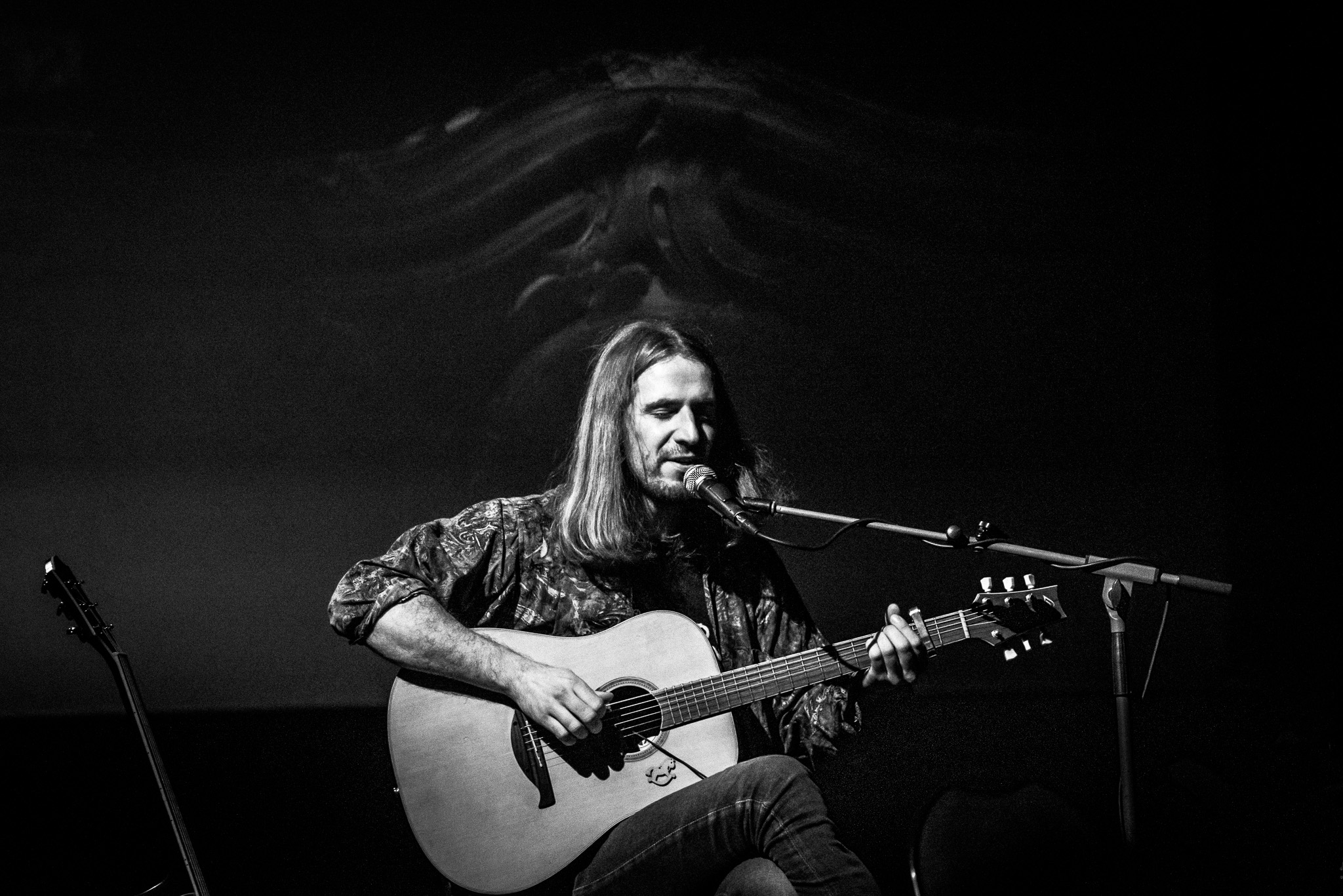
Algis fediajevas
(b. 1989, Vilnius, Lithuania) is a creator of experimental acoustic music, describing his style as “acoustic psychedelia.” His work stands out for its innovative guitar sound, unpredictable song structures, and emotionally rich spectrum—ranging from meditative softness to punk-like aggression. His compositions weave together Eastern motifs, psychedelic haze, and poetic lyrics that invite inward exploration.
At the end of 2023, Fediajevas released his fourth album, Po trejų metų (After Three Years), recorded in England and released in vinyl, CD, cassette, and digital formats. The album features contributions from local musicians, with cover art by his sister, Julija Fediajevaitė. It has received international attention, including reviews in Folk Radio UK and The Wire.
Fediajevas actively performs both in Lithuania and abroad—following the album’s release, he toured in the UK, Germany, Finland, and Central Europe.
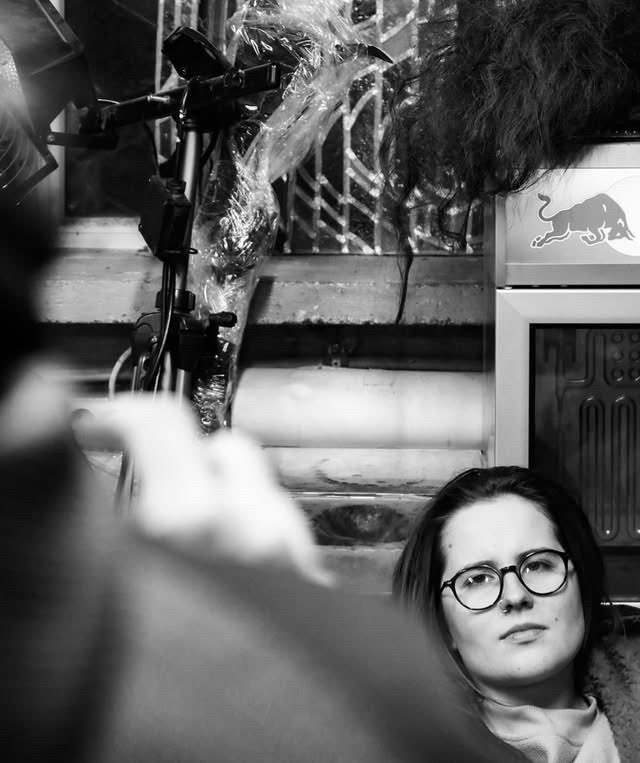
Saulė Elena Jurgelytė
(b. 2003, Palanga) is a young-generation artist currently studying at the Vilnius Academy of Arts sculpture.
Her creative work often inhabits uncomfortable, uneasy, or unconventional spaces—just like the themes she explores. Saulė draws on elements of dystopian and magical realism, focusing on issues related to social structures, social policy, and community politics.
She investigates the relationship between text and object, the ideas of functionality and non-functionality, as well as the sequences of actions and how they can be disrupted. Her practice primarily involves text, object, and video.
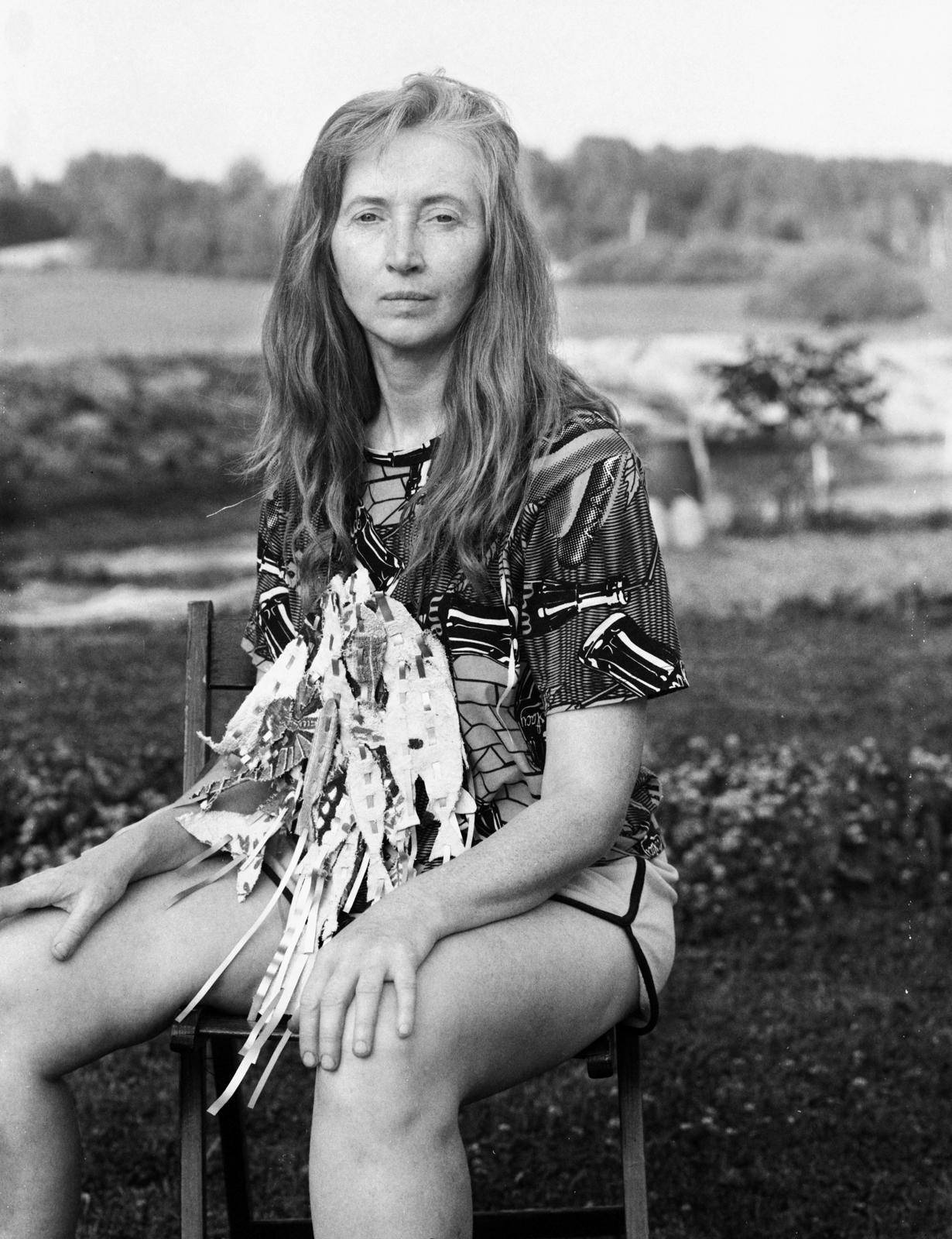
Karina Kazlauskaitė
(b. 1980, Šilutė) is a jeweller and multidisciplinary artist. She graduated from the Vilnius Academy of Arts and works on interdisciplinary projects. Her practice explores the relationship between humans and nature, experimenting with diverse materials. Kazlauskaitė has held solo exhibitions in Lithuania and Norway and participated in international exhibitions across Europe and the USA. She is a member of the Lithuanian Artists’ Association and has chaired its Metal Arts Section in Vilnius. Karina is also part of the international jewelry collective LandJewelry. Together with artist Klaus Leo Richter, she initiates projects focused on ecology, local communities, and history.
Andrius Kviliūnas
(b. 1972 in Panevėžys, Lithuania) is a Lithuanian artist, painter, and video art creator living and working in Vilnius. From 1991 to 1997, he studied at the Vilnius Academy of Arts, where he earned a master’s degree in painting. Since 2002, he has been a member of the Lithuanian Artists’ Association.
Kviliūnas’ work spans a wide range of themes – from personal and collective memory to social and political commentary. His paintings often feature expressive brushstrokes and distinctive color combinations aimed at conveying emotional atmospheres. In his video art, documentary elements blend with poetic, surreal visions. He also creates performances and installations, bringing together various media.
Kviliūnas’ works are part of the collections of the MO Museum in Vilnius, the Schuster Gallery in Berlin, and private collectors in Lithuania and abroad. He has participated in numerous exhibitions in Lithuania, Germany, Latvia, Poland, France, and beyond.
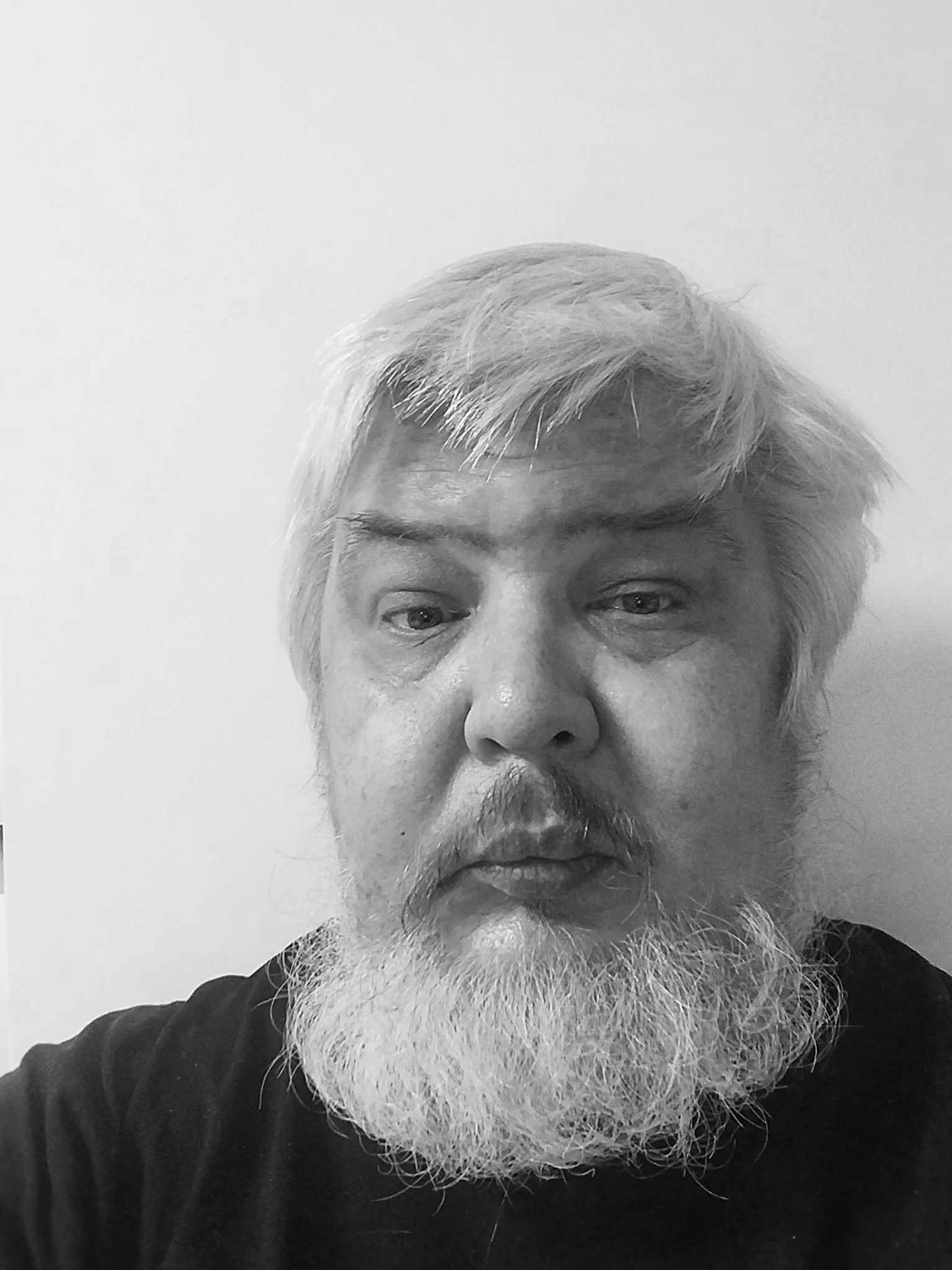
Vasco Manhiça
(b. 1978, Nampula, Mozambique) is a visual artist whose practice explores memory, identity, and urban transformation. Raised in the culturally rich Bairro do Aeroporto in Maputo, he graduated in Graphic Design from the National School of Visual Arts (ENAV) and later completed a course in Communication Design at ca.Medien College in Essen, Germany, in 2011.
Manhiça’s early work developed around a lyrical-poetic approach, marked by symbolic abstraction, emotional expression, and a monochromatic palette. Influenced by Dadaism, Surrealism, and Mozambican masters such as Bento Mukeswane and Malangatana, this period reflects a deep introspection and search for identity.
His time in Germany (2002–2015) marked a turning point, leading to a more dynamic and layered visual language incorporating collage, text, and saturated color. His work has been presented in exhibitions and residencies across Mozambique, Germany, Portugal, Nigeria, Senegal, and South Africa. His recent exhibition, As Paredes Também Falam (The Walls Also Speak), held in 2025 at the Museu Mafalala in Maputo, reaffirmed his commitment to explore the city as a living archive of memory and resistance.
Vasco Manhiça has received several distinctions, including the First Prize at the Expo-MUSART (2016) and the Biennale TDM (1999). Manhiça lives and works in Maputo, where he continues to develop projects that challenge dominant social narratives through material and metaphor.
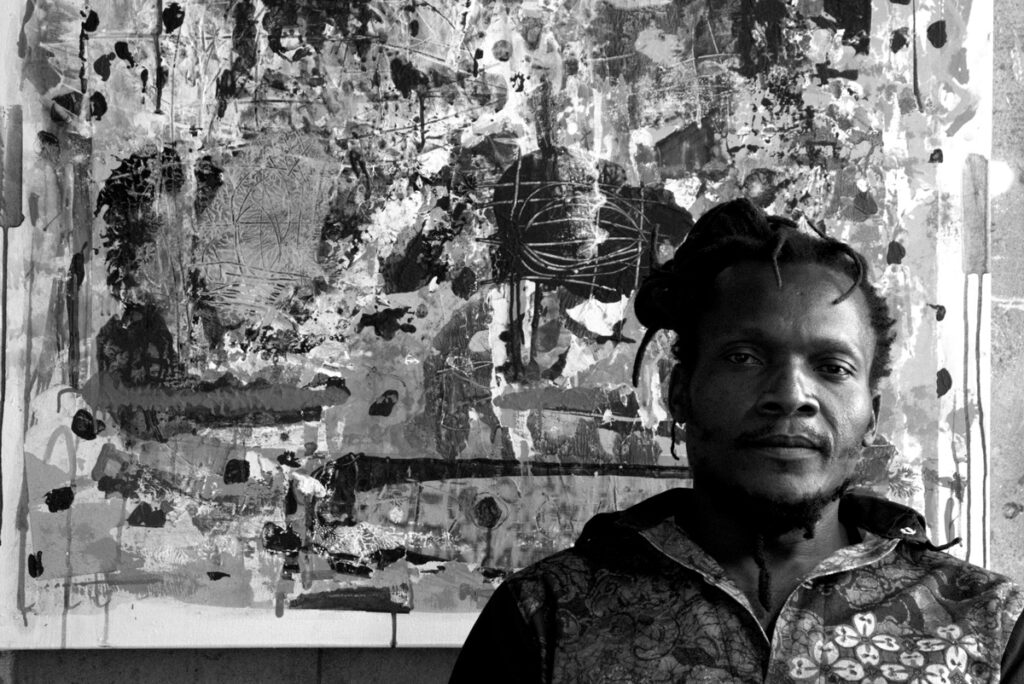
Jolita Puleikytė
(b. 1992 in Panevėžys, Lithuania) is an artist and a member of the Lithuanian Artists’ Association (Graphics Section). From 2012 to 2016, she studied art and design pedagogy at Šiauliai University. She currently works at the Panevėžys Creativity Center Pragiedruliai, where she develops creative activities focused on individual expression and self-discovery. Her work also extends into public spaces—her wall paintings can be seen in various locations across Lithuania.
In her creative practice under the name Jolita ONline, she explores everyday life and reconstructs it. She captures reality in order to deconstruct it, turning it into illusion, image, or mood. Drawing, graphic works, and wall painting are the means by which she responds to her surroundings, giving them new forms and meanings. One of the driving forces behind her work is a playful relationship with the image and the process, opening up space for free interpretation of the world.
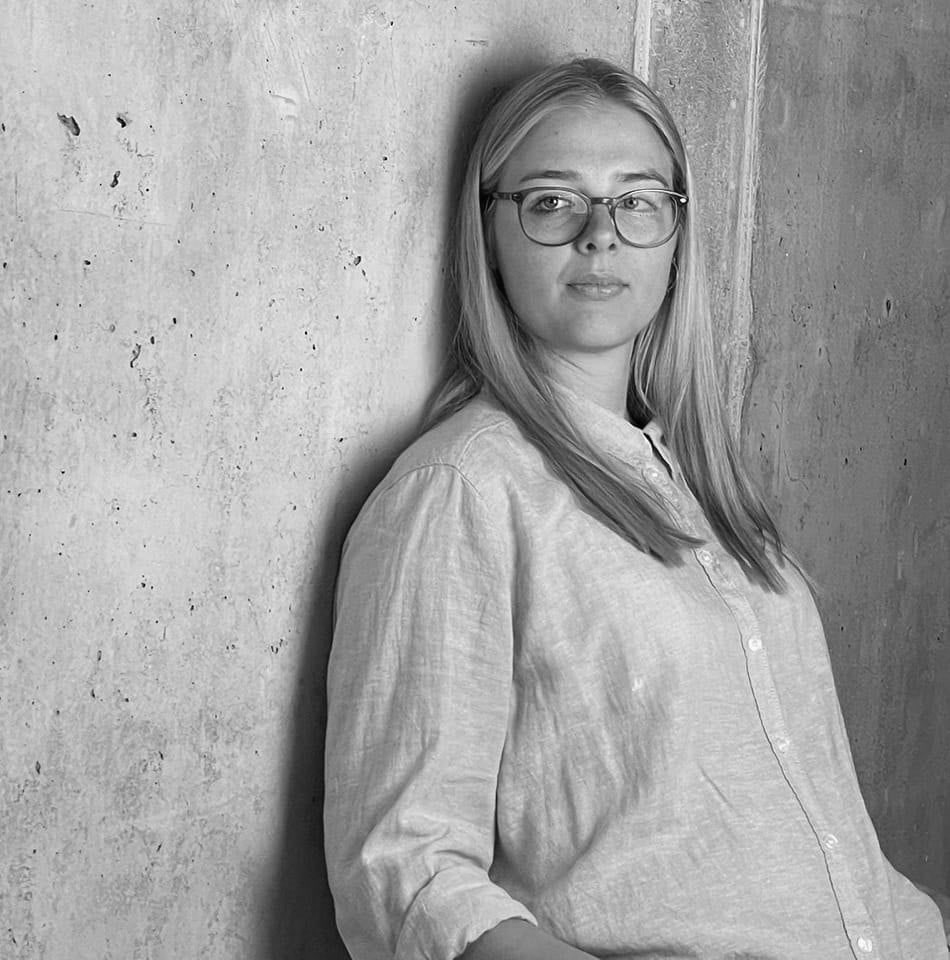
Rimvydas Pupelis
was born in 1965 in Obeliai, Rokiškis District, where he currently resides. He is a painter, printmaker, scenographer, poet, and author of various cultural initiatives. A member of the Lithuanian Artists’ Association and an Honorary Citizen of Obeliai.
Pupelis is known for his expressive, metaphorical work, where conscious composition meets the randomness of color and the logic of dreams. His creative identity is closely tied to the pseudonym MUTA, which signifies ambiguity and indeterminacy.
In 1999, together with Arūnas Kulikauskas and Jonas Mekas, Rimvydas organized the exhibition Threshold (Slenkstis), which featured works by Eugenijus Varkulevičius, Louise Bourgeois, and Nam June Paik. One stage of the exhibition took place in Obeliai – marking a significant contemporary art event in the Rokiškis region.
From 2019 to 2020, she lived and worked in France, participating in exhibitions in Paris, Strasbourg, and at art fairs in Cannes. She became a member of the French artists’ association La Maison des Artistes. She has also taken part in international exhibitions, residencies, and art symposiums in Lithuania, Denmark, Latvia, Poland, Italy, North Macedonia, and Switzerland. Her work consistently explores the relationship between humans and their environment, as well as the interplay of light and shadow. She promotes contemporary art in rural areas, establishing cultural centers in places where they are least expected.
His latest painting cycle is titled Death Makes My Joy Dance (2025).
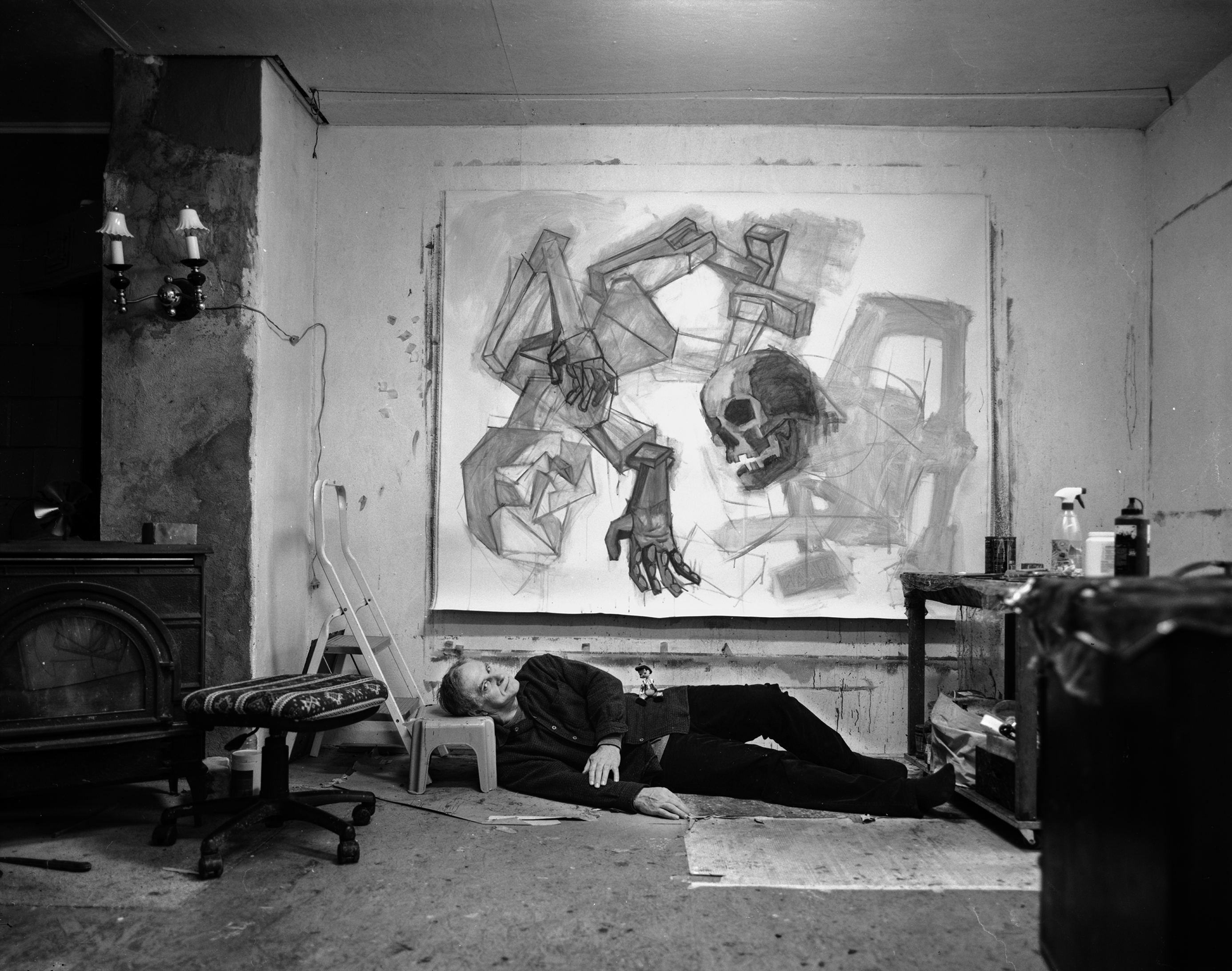
Americo dos Santos Hunguana
(b. 1985 in Maputo, Mozambique). Studied journalism in Maputo, Mozambique in 2007, graduated from “Ostkreuz School of Photography” in 2016, lives in Berlin since 2010. The artist’s photographs focus on culture, community, street life, and people’s stories.
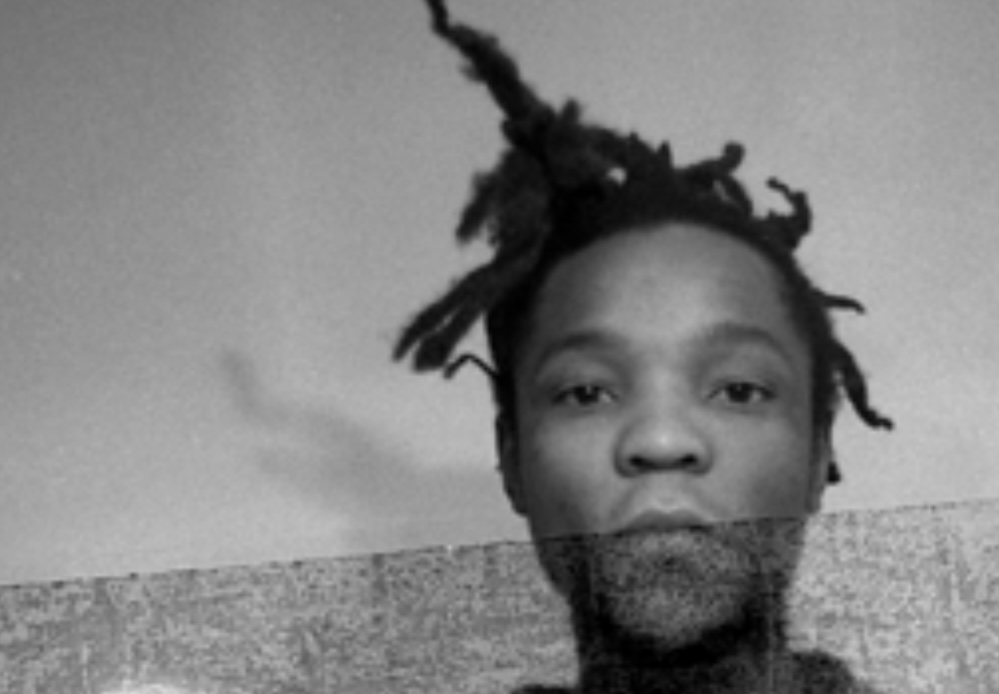
elena subach
(1980) is a Ukrainian visual artist from Chervonohrad, Ukraine, but currently lives and works in Lviv. Elena studied economics and received her master’s degree (2002) from the Department of Economics at Lesia Ukrainka Eastern European National University before turning to photography in 2012. Since then, she has been collaborating on art projects with another photographer, Viacheslav Poliakov. Elena developed her own unique understanding of Ukrainian visual culture in an autodidactic manner. Between 2019 and 2022, she worked in curatorial practice at the Borys Voznytsky Lviv National Art Gallery. Currently, she is teaching courses in art history and curatorial practice at the School of Visual Communications SKVOT in Kyiv. Elena is member of the “Ukrainian Photographic Alternative” Association. Her photographs have been published in numerous magazines and newspapers, including British Journal of Photography, Weltkunst, Vogue Poland, the Guardian, Süddeutsche Zeitung, and many others. She has received numerous awards such as the New East Photo Prize from Calvert Foundation (2016), Future Talents (2019) nominee and the Gaude Polonia Scholarship (2019). Her work has been featured at international exhibitions, most recently at the Nordic House in Reykjavik, Photo Elysee Museum of Photography in Lausanne, Kunstforum Wien in Vienna, Eretz Israel Museum in Tel Aviv, Willy Brandt House in Berlin, the World Bank in Washington, DC, and the Tycho Brahe Museum in Ven, Sweden. In the autumn of 2022, a British publisher Besides Press has released Elena`s book Hidden
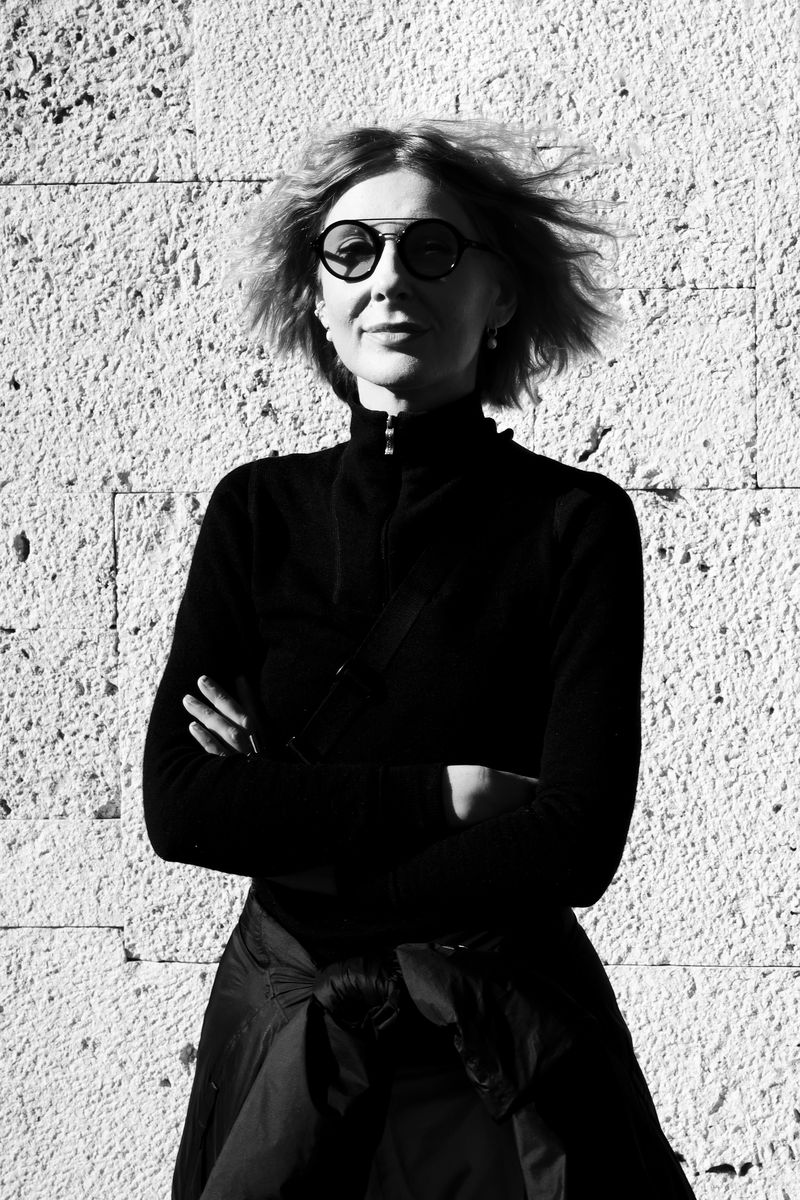
“Inner Worlds”
Monika Bičiūnienė
(1910–2009) was one of Lithuania’s most prominent folk painters, who began creating art at the age of 50. Her work transcends traditional folk art boundaries, marked by a distinct artistic vision and considered a significant contribution to the naive art of the late 20th century.
Since 1966, she actively participated in exhibitions in Lithuania and abroad, holding numerous solo shows. Her paintings—rendered in oil, tempera, and pastel—depict scenes of everyday life, celebrations, nature, and people. Her style blends primitivism, narrative qualities, and decorative composition. Her works are held in Lithuanian museum collections and featured in folk art publications.
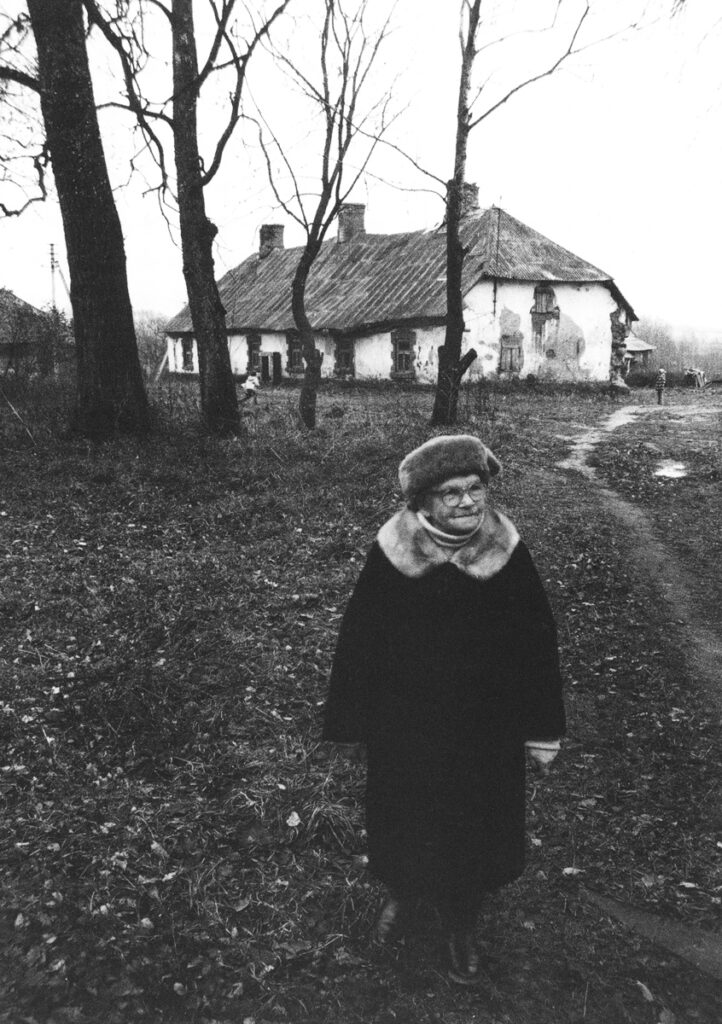
Petronėlė Gerlikienė
(1905–1979) was a renowned Lithuanian folk artist, textile creator, and painter, known for her contributions to naive art. In 1908, she returned to Lithuania with her family and later settled in Vilnius, where she spent the final years of her life. She began creating art late in life – embroidering narrative tapestries from 1972 and painting from 1976, the same year she joined the Lithuanian Folk Art Society.
Her work is marked by emotional expression and themes drawn from everyday life, mythology, religion, and nature. Bold colors and decorative style earned her recognition both in Lithuania and abroad. In 1985, she was included in the Encyclopedia of World Naive Art. Her works are held in Lithuanian museum collections.
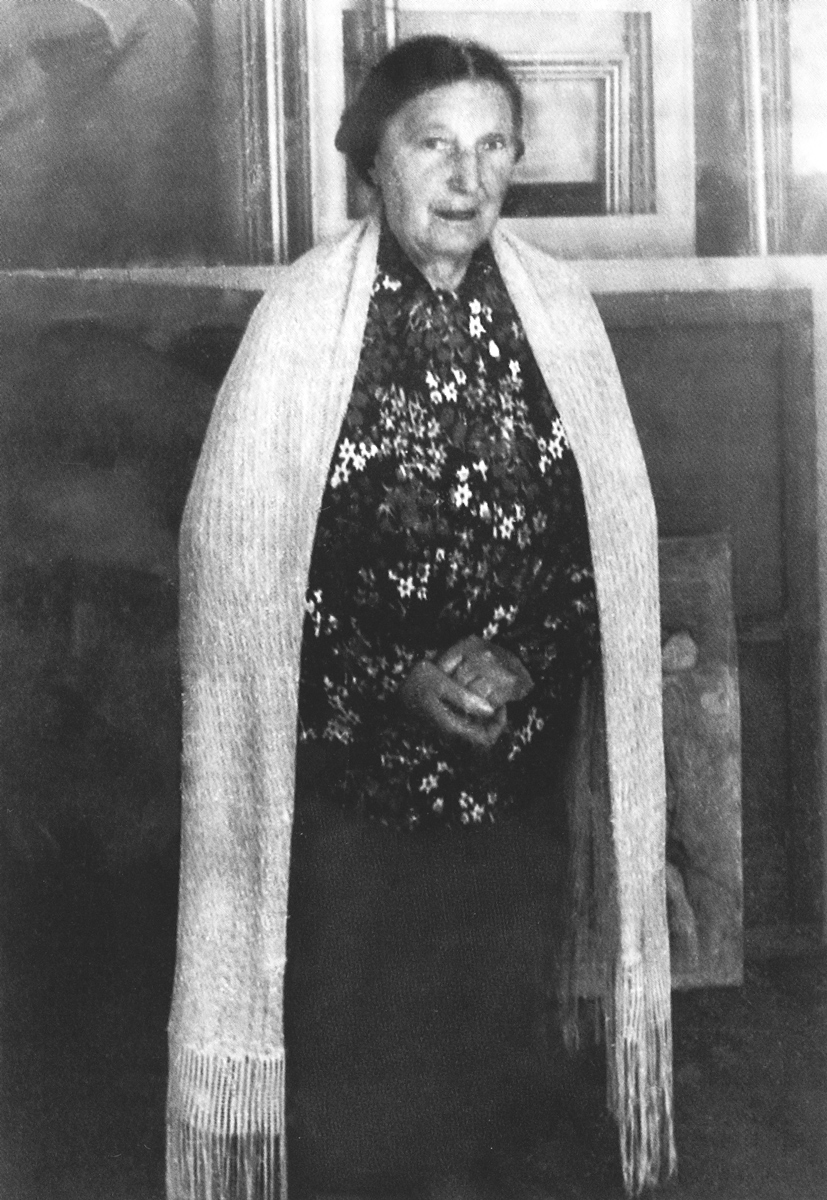
“Conversations With Justinas Vienožinskis”
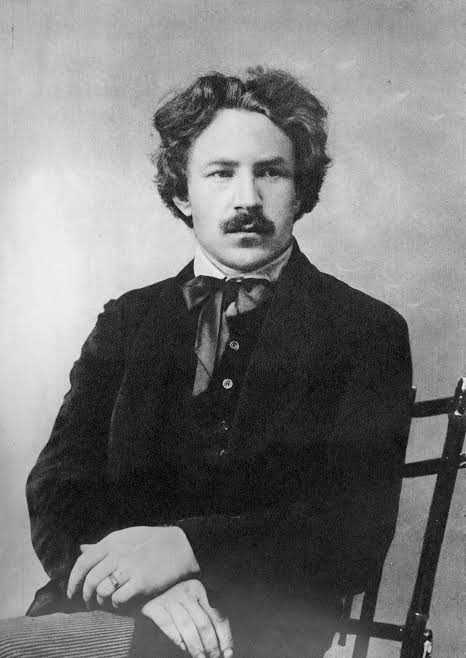
Justinas Vienožinskis
(born June 29, 1886, in Mataučizna, Rokiškis district – died July 29, 1960, in Vilnius) was a Lithuanian painter, art teacher, and art historian. He grew up in the village of Dačiūnai, attended the primary school in Obeliai, and later studied at the Mintauja Gymnasium (now Jelgava, Latvia). Between 1902 and 1905, he studied painting in Moscow. After returning to Lithuania in 1905, he actively participated in revolutionary activities, for which he was arrested. In 1908, he left for the Academy of Fine Arts in Kraków to study painting and later continued his studies in various European art centers.
During World War I, he lived in his native region. In 1921, he organized Advanced Drawing Courses, and in 1922, he founded the Kaunas Art School, which he led until 1925. This school played a crucial role in the development of professional art education in Kaunas. He also oversaw the construction of the temporary M. K. Čiurlionis Gallery. Vienožinskis was committed to promoting national art and envisioned Kaunas as a cultural center where the works of Čiurlionis and other Lithuanian artists could be presented.
After World War II (1940–1946), he taught at the Vilnius Academy of Arts and became a professor in 1946. However, in 1952, due to his independent artistic views and refusal to conform to the demands of Socialist Realism, he was dismissed from his position, losing both his privileges and pension.
Remigijus Praspaliauskas
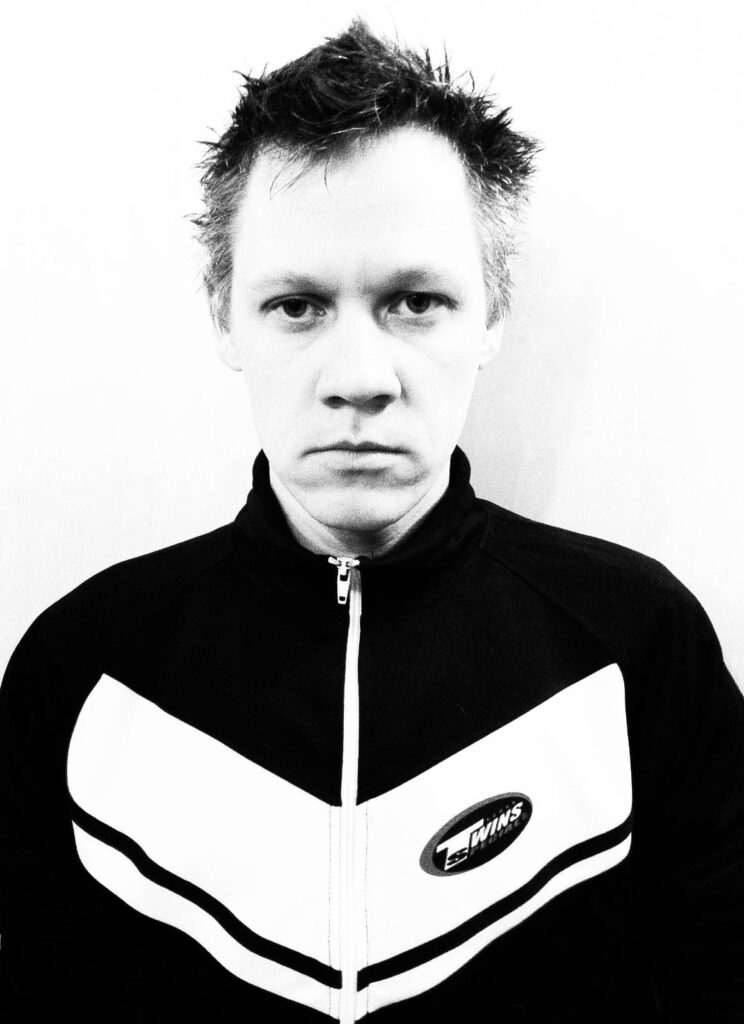
(b. 1982 in Telšiai, lives and works in Vilnius) is an interdisciplinary artist and designer who studied at the Vilnius Academy of Arts. His work balances surrealism, linguistic poetry, textiles, and object culture. His pieces have been exhibited in Lithuania and abroad. Together with his twin brother Egidijus, he founded the fashion label Egyboy, which blends street culture, humor-driven critique, and a DIY aesthetic.
Klaus Leo Richter
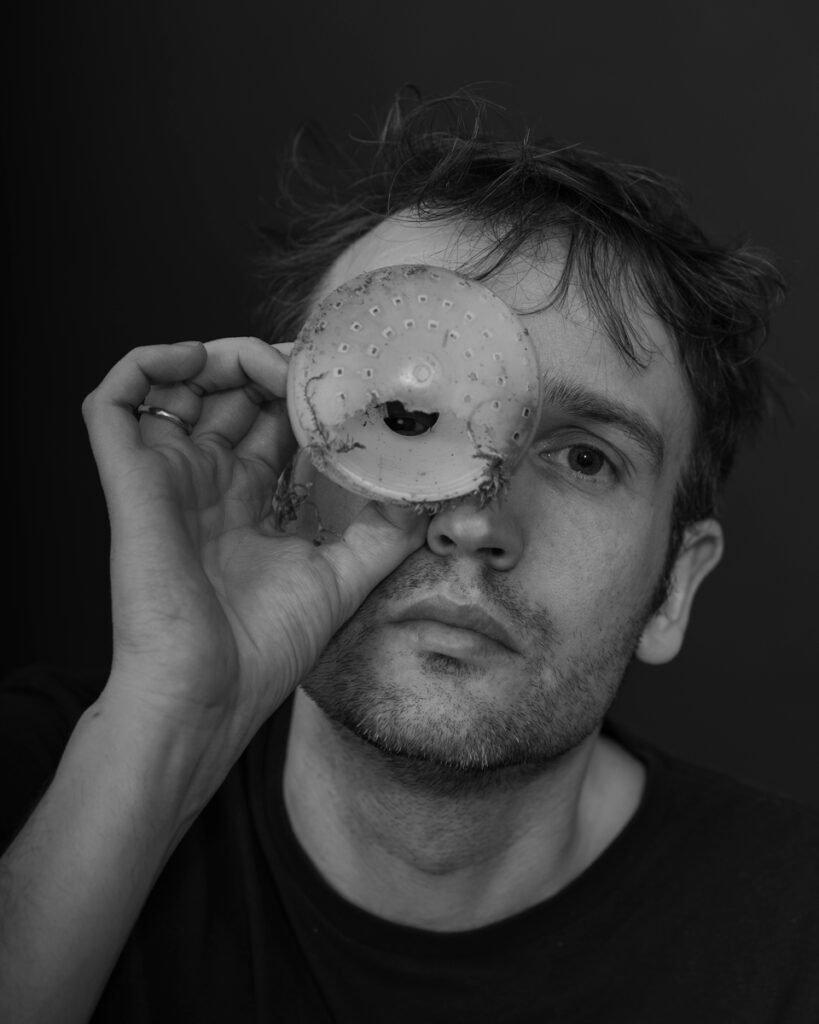
is an artist primarily working with photography. His focus is on stories of resistance and resilience among marginalized communities. His two most recent works “Kastute” and “Bajorai” explore the Russian occupation of the Baltic country Lithuania through the microcosmos of one village. Other projects, in an essayistic form approached the life of one Roma-community in “Cikoria” and two working-class families, employed in the same plant for the third generation in “Periodic shifts”. The reportage “Introit” of a youth correctional facility in Hungary was Richter’s first series.
In 2024, he was selected to the platform FUTURES!Photography and his work was one of the winners at “Rotlicht Festival for Analog Photography” in Vienna, Austria. As a finalist of the award “NEXT 2025” the work “Kastute“ was part of “Riga Photography Biennial” in Latvia. Richter is a two-time recipient of the national artist stipend from the Lithuanian Council of Culture, held solo exhibitions in Lithuania and Poland and group exhibitions internationally.
Richter holds an MA in „Media and Photography Art“ from Vilnius Academy of Arts, Lithuania and completed the “Ostkreuzschule for Photography” in Berlin, Germany. He also holds a BA in “International Development” from the University of Vienna, Austria.
Special Guests
Kęstutis Kadūnas
(b. 1953 in Akademija, Kėdainiai District) is a Lithuanian geologist and Doctor of Physical Sciences (1993), currently living in Antanašė village, Rokiškis District. He graduated from Vilnius University in 1975 and worked at the Vilnius Hydrogeological Expedition from 1970 to 1993.
His scientific research focuses on the impact of the atmosphere on the chemical composition of groundwater, the assessment of groundwater resources, and the analysis of the effects of contaminated sites.
From 2007 to 2011, he initiated and coordinated national programs for the assessment of groundwater resources and the environmental impact of contaminated areas in Lithuania. He has published more than 120 scientific articles and is one of the co-authors of the Hydrogeology Atlas (2017).
Dali rust
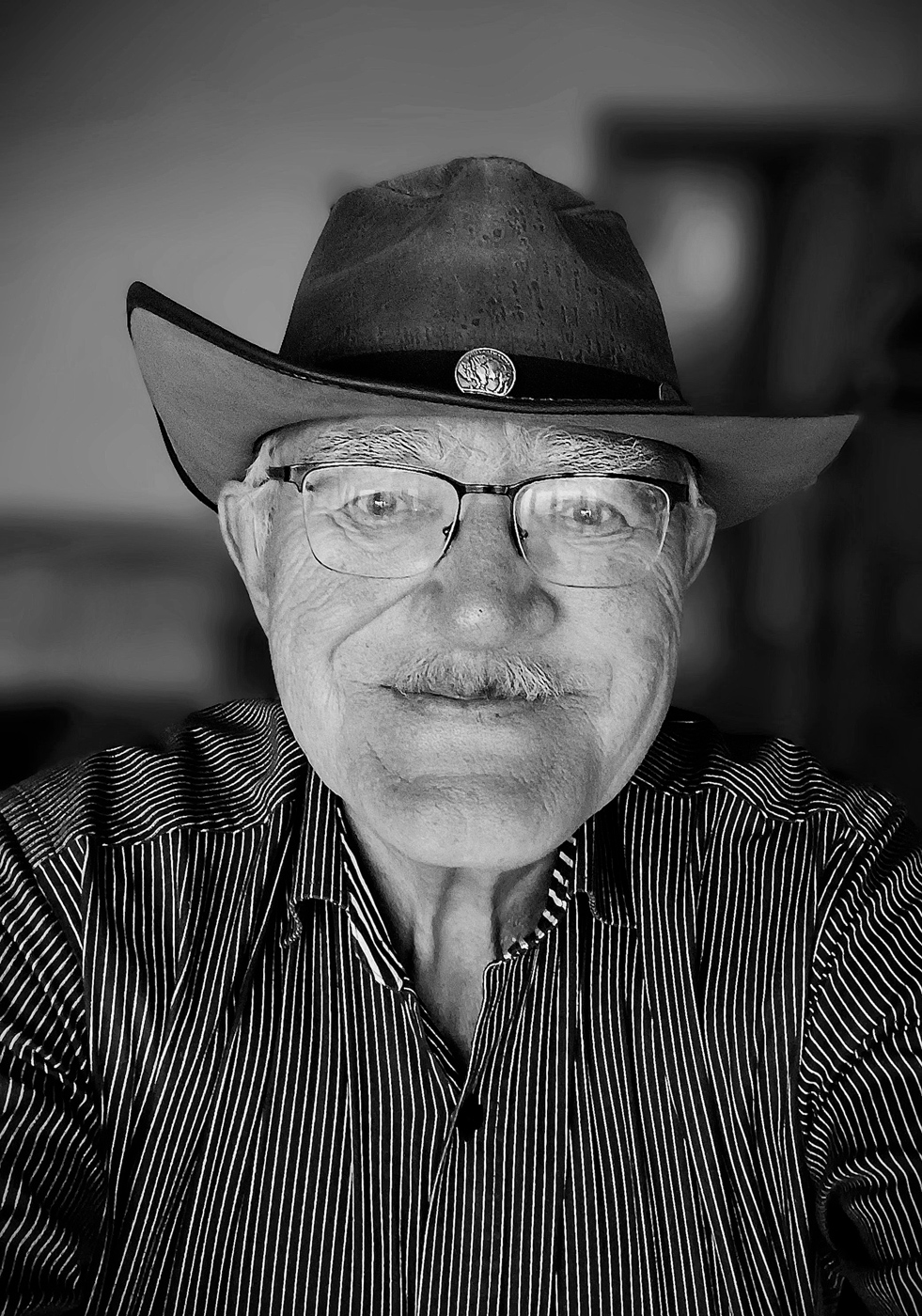
(b. 1965, Šiaudvyčiai village, Lithuania) is a director living and working in Klaipėda and Vilnius. She graduated from the Faculty of Economics at Vilnius University (1989) and the Institute of International Relations and Political Science (2002). She has worked at the Lithuanian Film Studio and the “Kinema” studio. She is a member of the Lithuanian Filmmakers’ Union and the founder and director of the NGO Eik ART. Her creative practice focuses on social issues, documentary storytelling, and interdisciplinarity.
Her documentary films are marked by a sensitive approach to social and cultural phenomena, individual life stories, and collective memory. In her work, cinematic language often intertwines with visual arts and elements of performance. Rust’s projects aim not only to inform but also to invite the viewer into an emotional—and often political—dialogue. Her filmography includes explorations of marginalized communities, women’s experiences, the lingering effects of historical trauma in contemporary society, and ecological concerns. She frequently collaborates with artists from other disciplines, creating interdisciplinary projects and educational initiatives that emphasize participation and critical reflection.
Bruno AFFINATI
is a multi-instrumentalist and multi-genre musician. Arrived in Lithuania as a volunteer, he is producing and writing his own music, supporting, nurturing and sharing the Italian, Brazilian and world funk disco jazz scene.
Ramutis Petniūnas
Collector (Vilnius / Zarasai District)
Ramutis Petniūnas is a Vilnius-based collector who has been gradually putting down roots in the Zarasai region, at the historic Stelmužė manor site. He describes himself as being deeply in love with this land – its people, nature, and history.
“We’re no different from other regions in Lithuania – all of us are surrounded by beautiful landscapes, warm communities, and rich heritage,” says Ramutis. “But I believe we can stand out through the cultural events we create – through their abundance, quality, and impact.”
His approach to culture is grounded in sincerity and long-term vision: if even two young people (or not only young) out of a hundred are meaningfully touched by the cultural initiatives we organize – individually or together – then the goal will have been reached, or at least the effort will have been worthwhile.
Aušra Gudgalienė
Director of Rokiškis Regional Museum
She is responsible for organizing and developing the activities of Rokiškis Regional Museum, a cultural institution. Before becoming the museum director, she worked as Deputy Director for Culture at Rokiškis Cultural Center. In this position, she contributed to important cultural projects, such as “Rokiškis – Lithuania’s Cultural Capital 2019.”linarity.
Mindaugas Vanagas
entrepreneur, collector (Vilnius / Rokiškis District)
Although Mindaugas Vanagas currently lives and works in Vilnius, northeastern Lithuania is far from unfamiliar to him – he spent every summer of his childhood at his grandmother’s home in Obeliai. Four years ago, he acquired Kraštai Manor and has since been dedicated to its revival. Symbolically, the restoration work began with the former grain storage building – a space that has now been transformed into an art gallery.
Mindaugas believes that this remote corner of Lithuania, often overlooked, holds not only breathtaking nature but also remarkable people and a deep cultural spirit. His work at Kraštai Manor is not only about restoring historic buildings, but also about creating a vibrant cultural space.
Marius Lucka
traveler, poet, community figure (Antazavė)
Marius Lucka is a person who cannot be defined by a single label. As he himself says, people know him from many different angles – just as he knows himself. Since 2019, Marius has been living in Antazavė, where he is creating a center for art and spiritual strength.
His life journey has taken him across distant corners of the world – Africa, Indonesia, Papua New Guinea – where he lived among various indigenous tribes. These experiences are deeply reflected in his creative work. Marius is the author of the poetry book “Youth”, and several of his poems have been included in the 21st Century Poetry Gold Anthology.
He is fascinated by nature in the broadest sense – from birds and mammals to the human relationship with God. And, as he puts it himself, he simply really enjoys living.
Arūnas Survila
Social innovation creator, founder of Innovators’ Valley (Antalieptė / Kamariškės)
I create social businesses and innovations that help people and strengthen communities in Lithuania. One of my main principles is open spaces that bring people together. I come from Zarasai, but my roots are in Antalieptė and the Kamariškės manor area. Perhaps that’s why I established Innovators’ Valley right here – a place where disappearing heritage is revived, becomes part of local creation, and invites communities to act together. At Innovators’ Valley, culture, climate change, social issues, and people’s initiatives merge. It is a space for creativity, change, and meaningful collaboration.